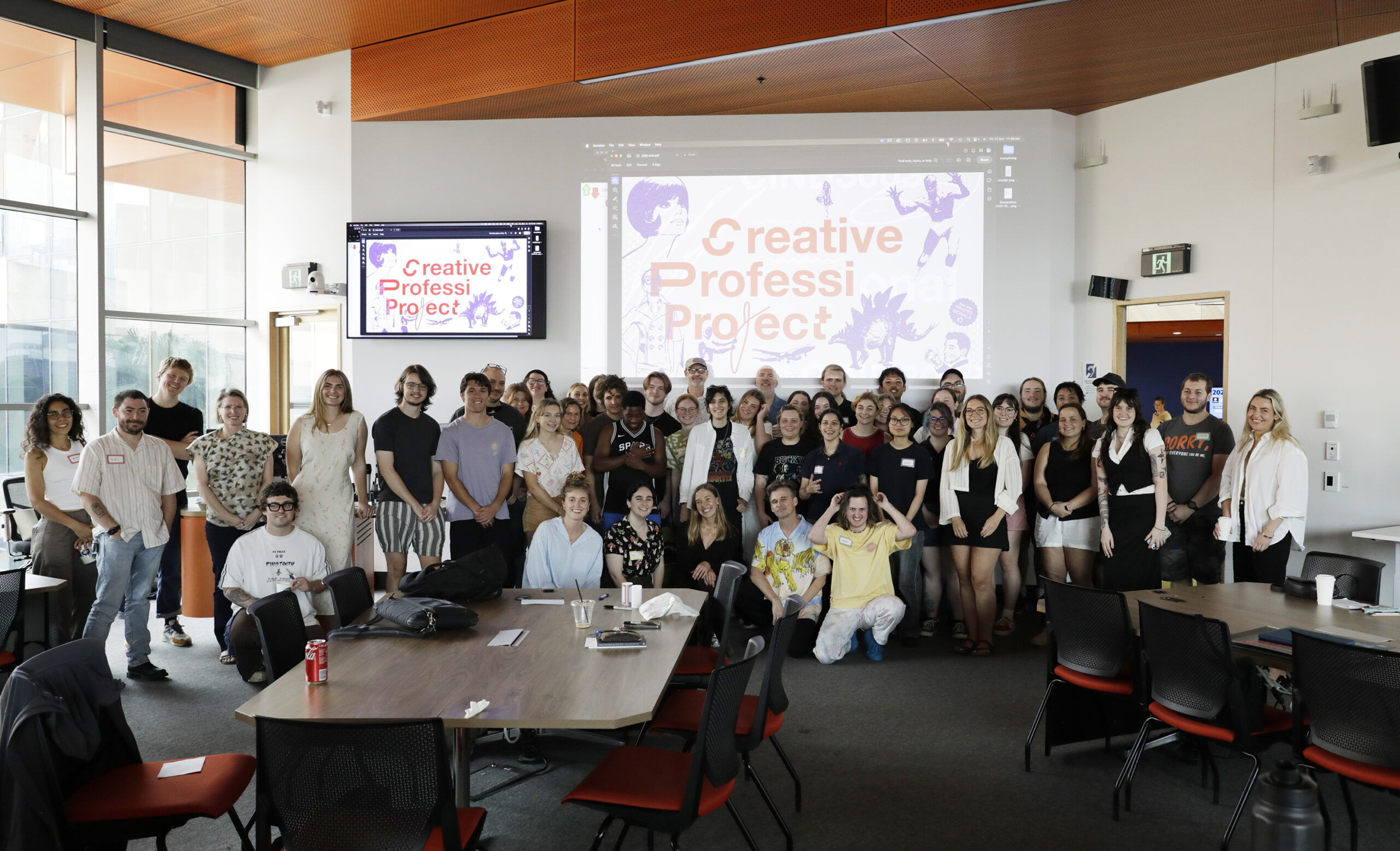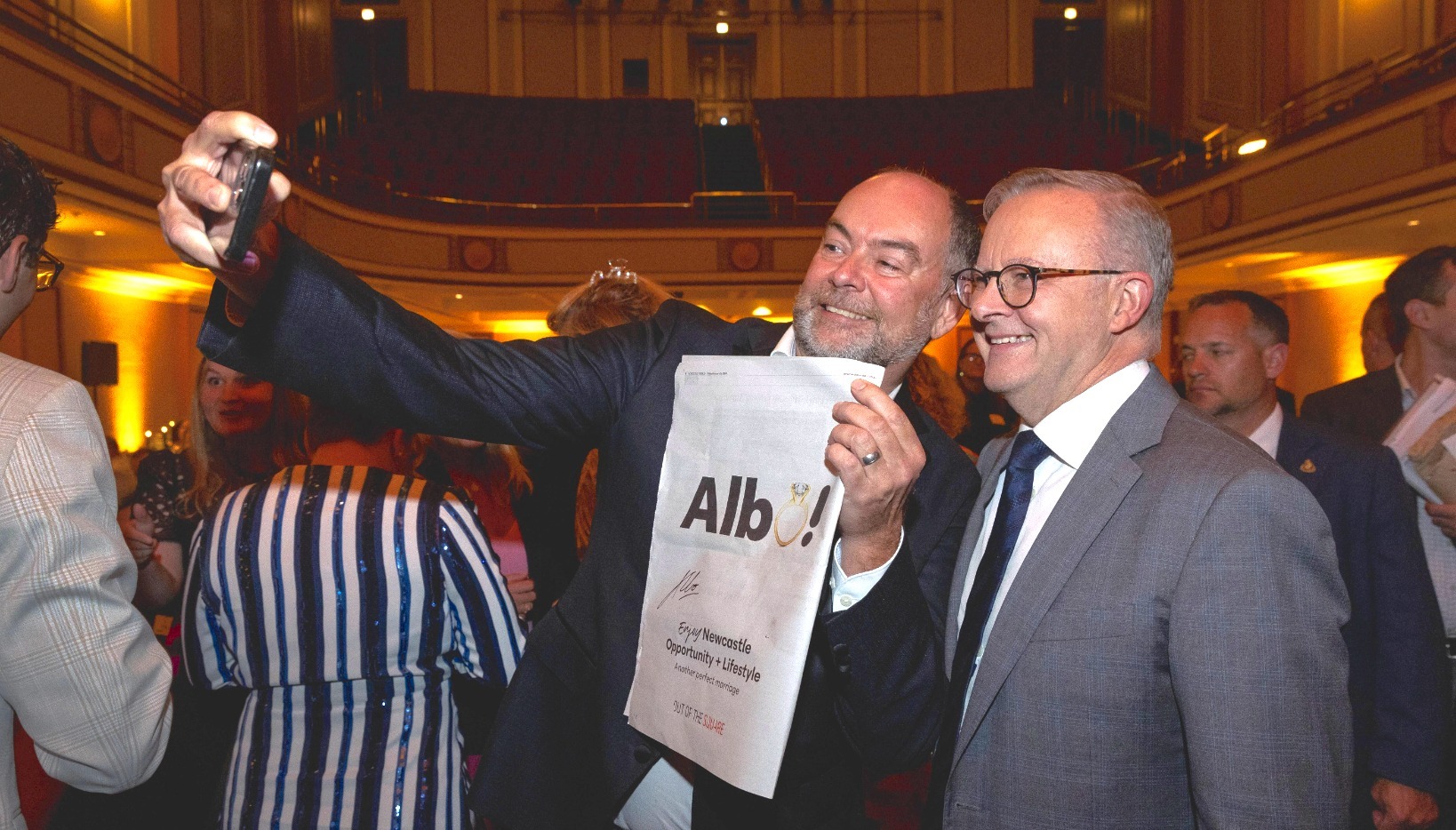
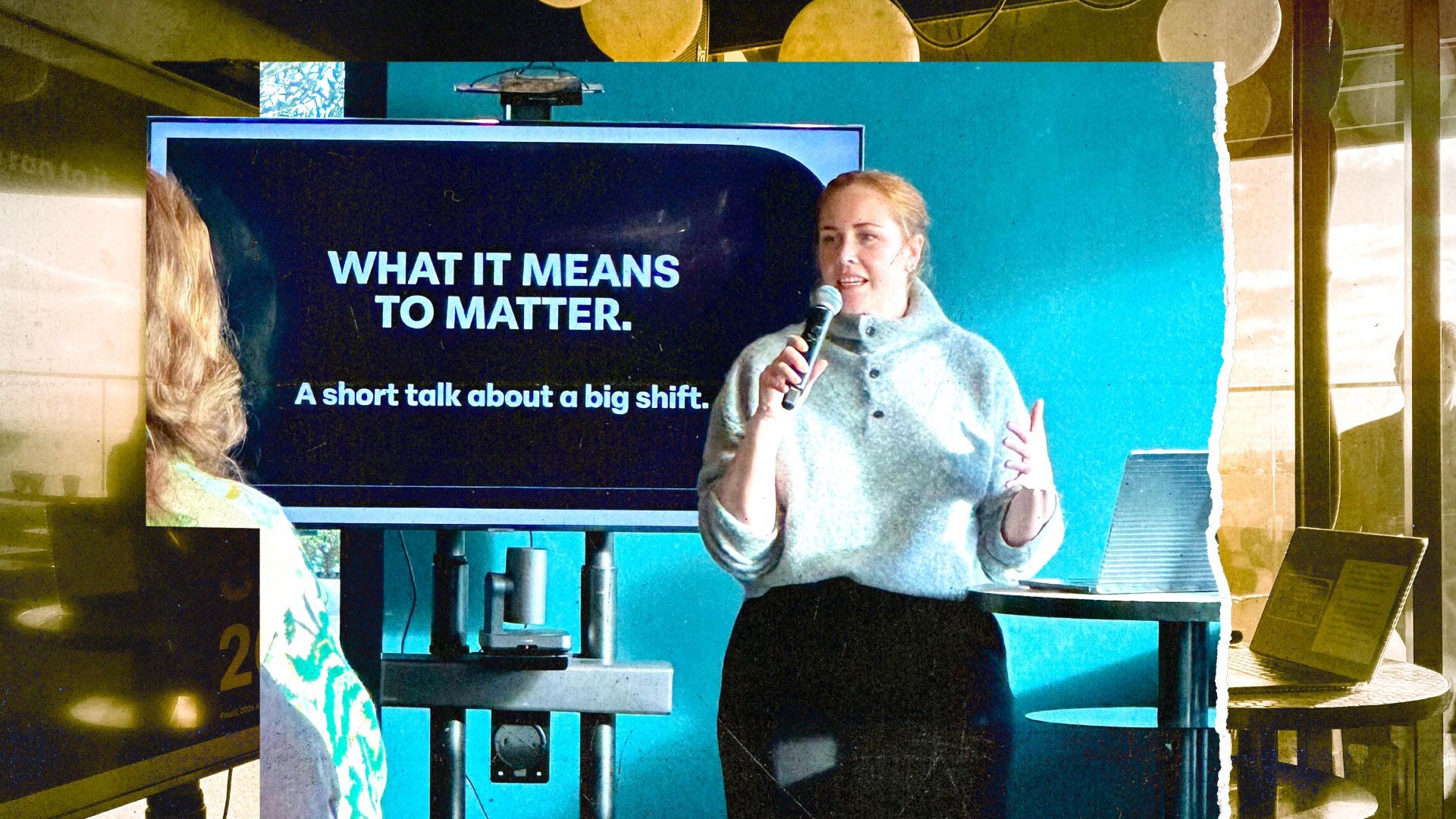
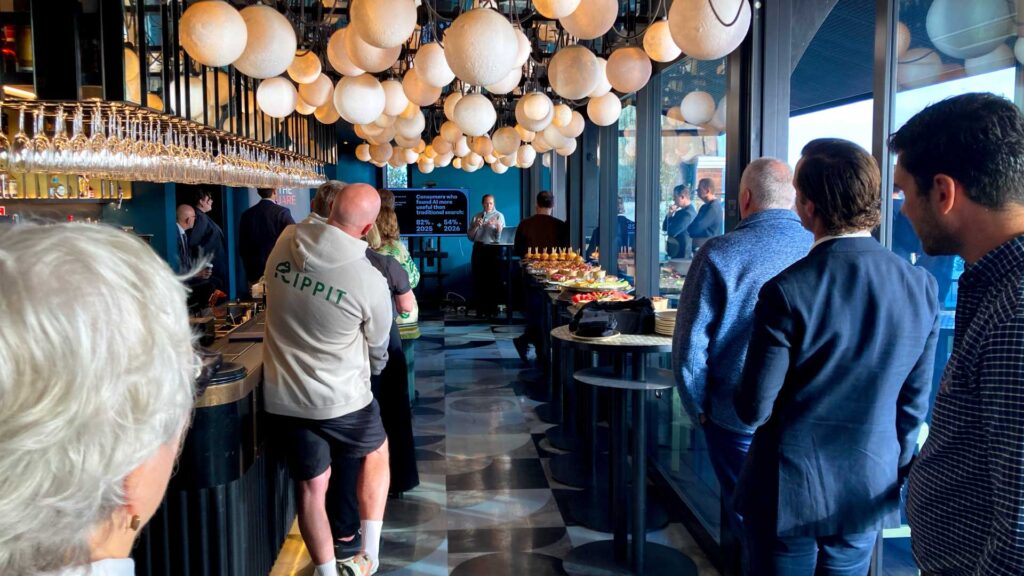
A few mornings ago I stood in a room full of business leaders in Newcastle
I looked across a mix you do not often see gathered in one place. Mining. Infrastructure. Legal. Accounting. Hospitality. Marketing. Professional services. Large organisations and SMEs. Regional businesses with long memories and hard-earned reputations.
If you opened LinkedIn that same morning, you would have seen the usual parade of posts insisting everything is changing at warp speed. AI is replacing this. Agents are doing that. Supply chains are fracturing. The billable hour is dead. Most of that commentary is either too shallow to be useful or too dramatic to be credible.
The more interesting question is quieter.
What do all these shifts actually mean for businesses that have spent years, sometimes decades, building relevance, trust and commercial momentum in the real world?
I think the answer is this: for a long time, business was a game of winning attention. Today, attention is automated, cheap and abundant. What became scarce instead is trust.
That is not a marketing line. It is a structural shift.
Being known used to do more work
For years, the path to growth was straightforward enough. Be known. Be visible. Be remembered. Stay top of mind until the moment the phone rings, the brief lands, the shortlist forms, or the contract comes up for review.
That still matters. But it does not do the same work it used to.
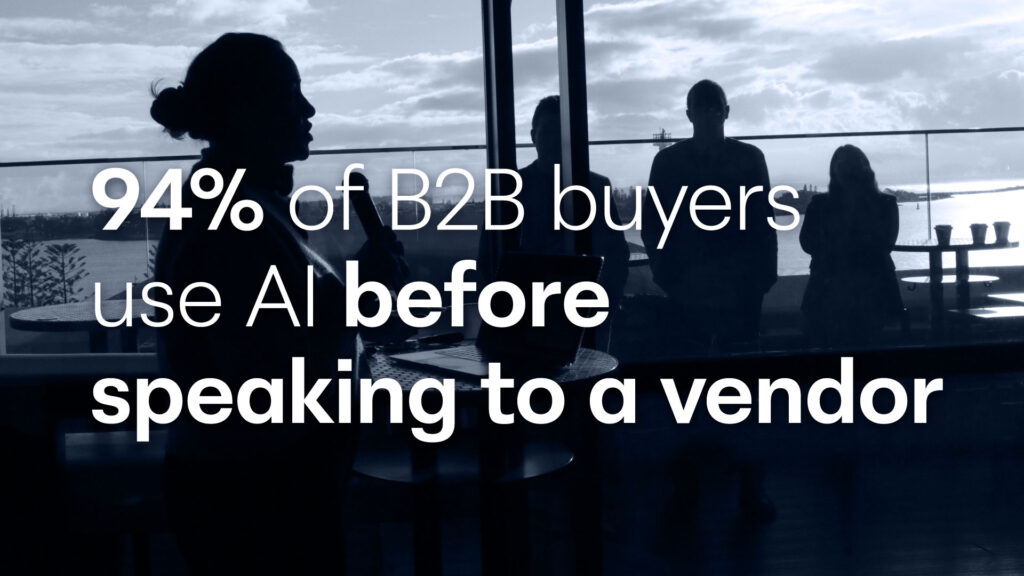
Forrester’s latest B2B buyer research found that 94% of buyers now use AI somewhere in the process of evaluating a vendor before they ever speak to one. That matters because it means the first audience your business increasingly has to persuade is not human. It is a machine deciding whether you are even worth considering.
At the same time, humans are becoming more cautious, not less. Edelman’s 2026 Trust Barometer found that 73% of Australians now hold what it calls an insular mindset. In plain English, trust is retreating to the familiar.
So we have a paradox. The machine widens the search. The human narrows the trust.
That is not a problem confined to tech companies or digital-first brands. It is true for law firms, accountants, mining contractors, airports, venues, advisory businesses, local operators and national ones. Different businesses. Same pressure.
We rushed to the machine. Then we pulled back.
One of the more revealing pieces of research I came across this year came from a US consumer study by Fractl. In 2025, 82% of consumers said AI search was more useful than traditional search. A year later, that figure had dropped to 54%.
That shift is interesting because it captures something human. We ran to the machine because it was fast, efficient and impressive. Then we started pulling back because we noticed the gap between getting an answer and trusting an answer.
The machine is very good at producing something plausible. It is much less useful when the stakes depend on whether the answer is right, nuanced, or safe to act on.
That is the point at which judgement returns to the centre of the frame. And that matters well beyond marketing.
A lawyer is not paid simply to produce a document. An accountant is not paid simply to generate a set of numbers. A strategist is not paid simply to fill a deck with frameworks and fluent sentences. The artefact is no longer the scarce part. The judgement around it is. That is awkward for all of us in advisory work. It also happens to be clarifying.
Reputation is not the same thing as brand
This is the part that gets people twitchy, especially in regional markets where reputation has often done the work of a brand for years.
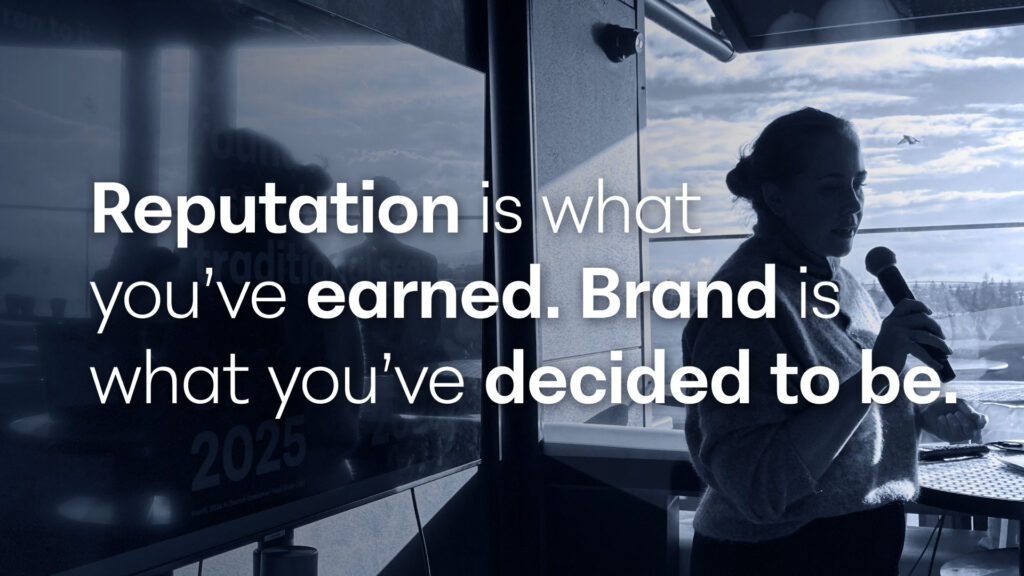
Reputation matters. Deeply. It is one of the most valuable things a business can earn. But reputation and brand are not the same thing. Reputation is what you have earned. Brand is what you have decided to be.
Reputation lives in people’s heads. It is often local, relational and personal. It reflects the past. It is built through delivery, consistency and trust over time.
Brand is what survives contact with scale, succession and change. It is the part of the business that can travel beyond the founder, beyond the region, beyond the individuals who currently hold most of the trust.
That distinction matters more now because machines cannot detect your reputation in the same way a long-time client or referral partner can. Machines read what is structured, legible and repeated across your footprint. They do not know who shouted you coffee in 2009, who has always done right by people, or who has quietly built a business on integrity over thirty years. Humans know that. Machines do not.
If your relevance depends entirely on the humans who already know you, you are stronger than you think in some contexts and more fragile than you look in others.
We have just lived this ourselves
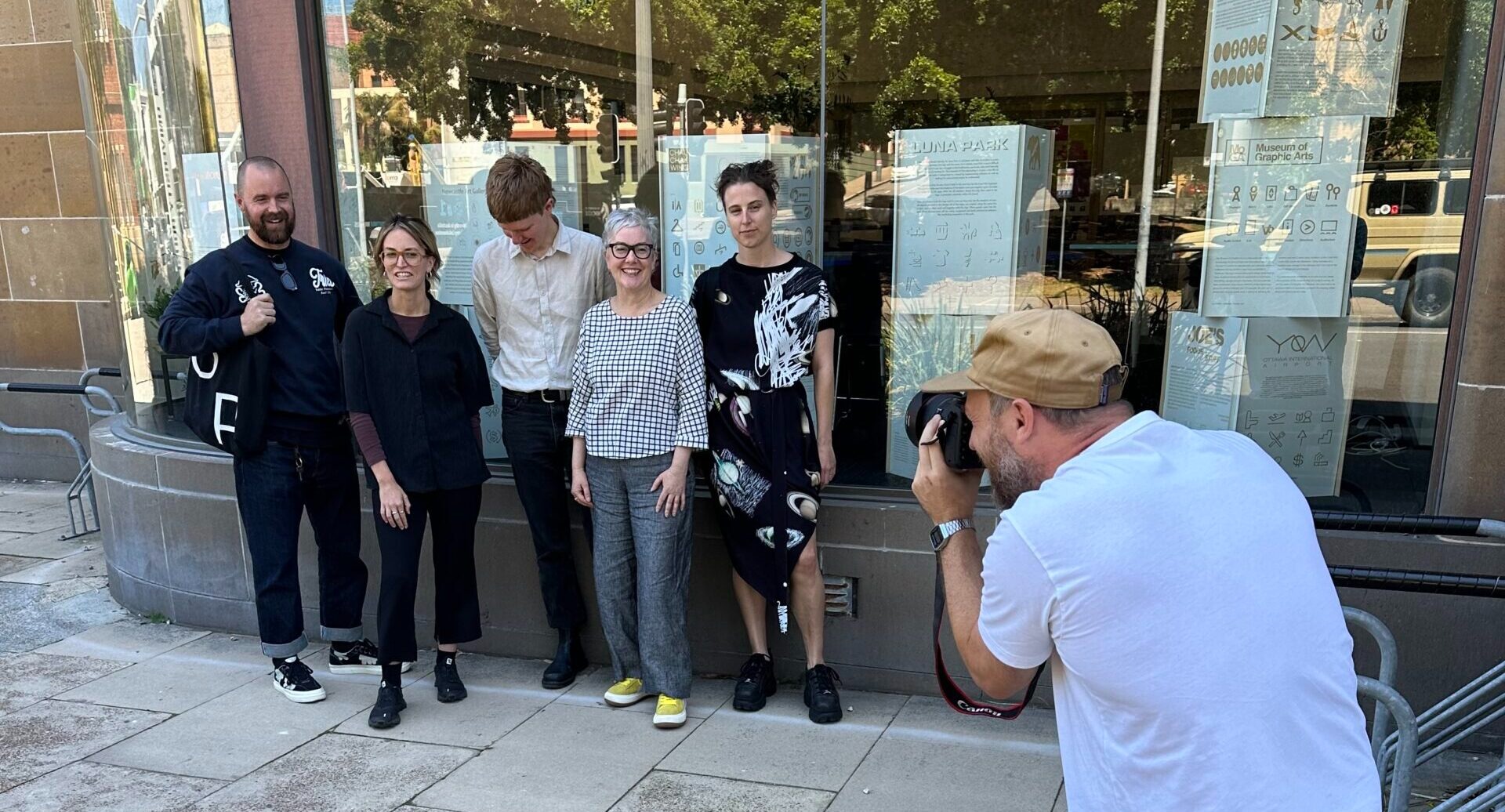
At Out of the Square, we have recently had our own version of this question tested in public.
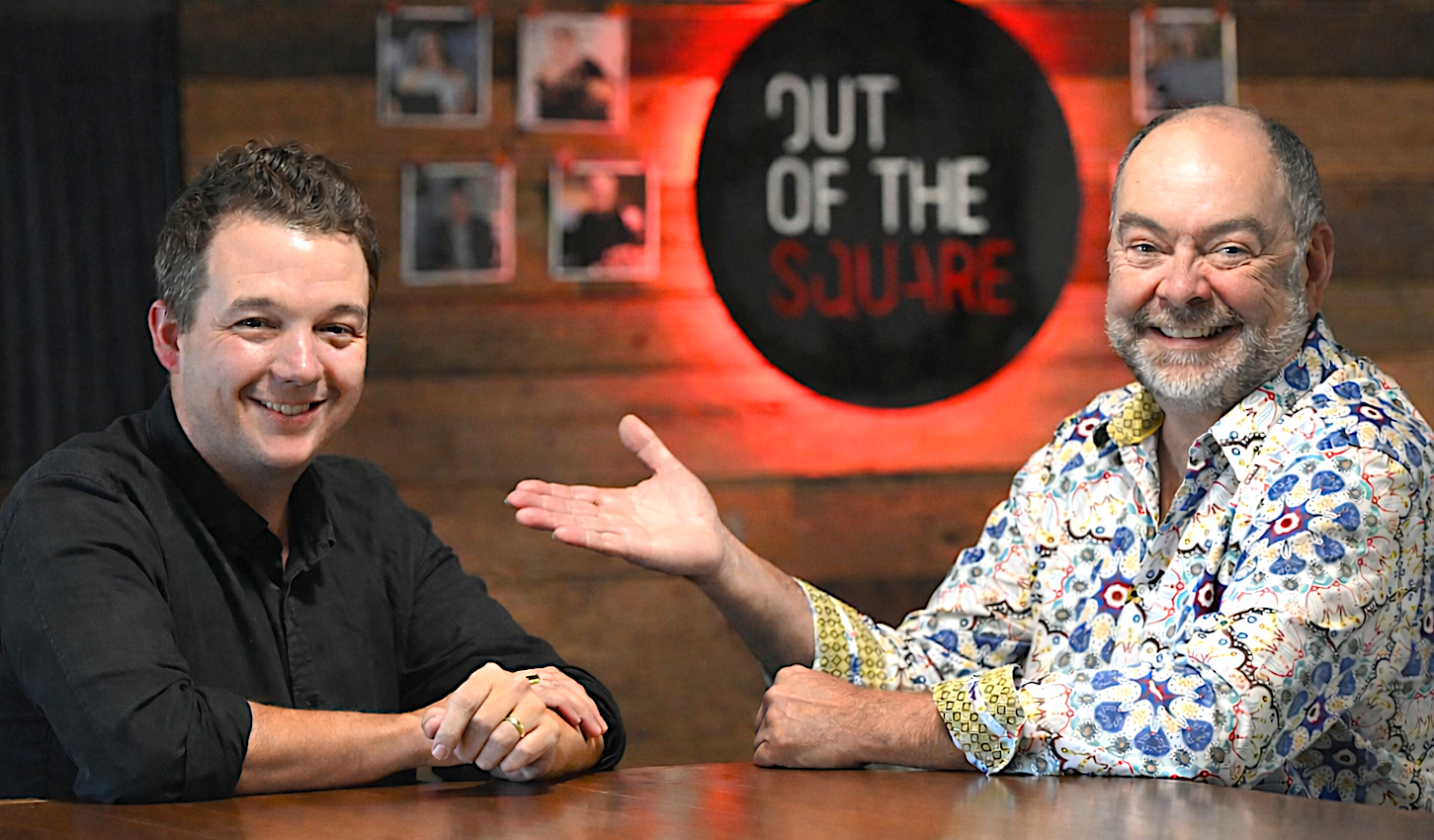
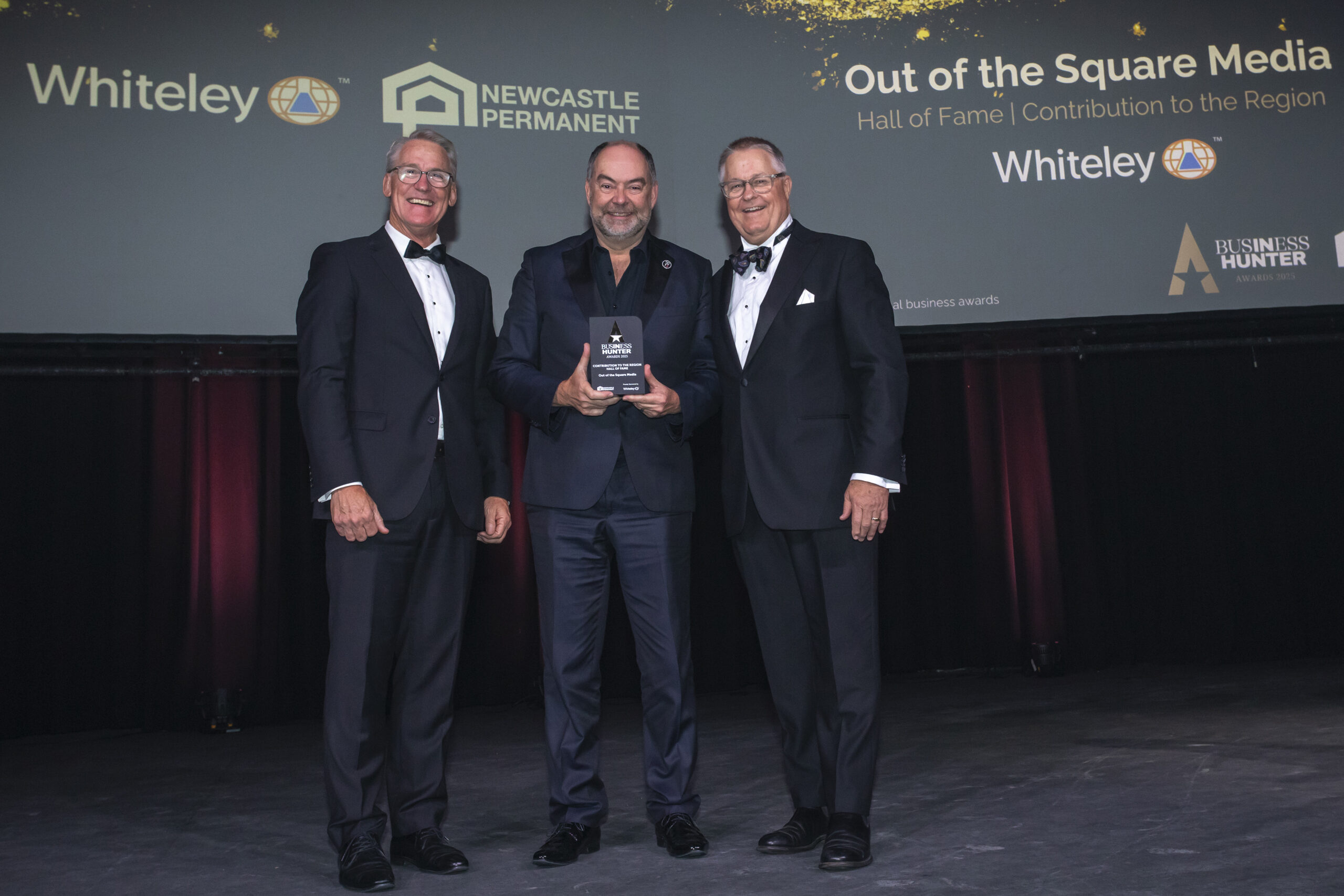
In March, Ben Ogden bought the agency from founder Marty Adnum, who built the business over nearly thirty years. That sharpened something for me. When a business changes hands, what actually transfers? Not the founder’s personal reputation. Not the individual relationships that belong to that person. Those remain with them.
What transfers is something else. The standards. The point of view. The way the business thinks. The way it shows up. The part that has become bigger than any one person.
That is brand.
If the business had simply been one person’s reputation with a team around it, there would have been far less to inherit and far less to protect. The fact that it could transition at all is evidence that something more durable had been built.
That is not just a succession point. It is a competitive one.
The businesses that are less dependent on one or two individuals are harder to destabilise. They are harder to copy. They are easier to trust at scale. They are more resilient when people leave, markets widen, or conditions change.
Brand Finance’s 2026 B2B analysis found that companies with stronger institutional brands command a 65% premium in forward price-to-earnings ratios. Strip away the finance language and the signal is clear. The market values businesses that feel less fragile.
Not because they are louder. Because they are more durable.
The real work now
This is not an argument for louder marketing. Most businesses do not need more noise.
It is an argument for strategic clarity. For knowing what story about your business survives if the founder leaves. For knowing whether the same story holds when the market extends beyond the people who already know you. For knowing whether a machine, encountering your business cold, would describe you in a way that feels true.
Some businesses can run on inherited trust for years and do very well. That is real. It should be acknowledged. Some cannot. Knowing which one you are is the work.
The question is no longer just whether people have heard of you. It is whether what they hear, whether from a person, a market, or a machine, adds up to something coherent enough, credible enough and human enough to make you matter.
That is the standard now. And for a lot of established businesses, it is a harder and more important question than visibility ever was.
Jen Young is the Head of Strategy at Out of the Square. She proudly believes the future of digital is deeply human, which is bold for someone who spends so much time in analytics.