That is the question.
When technology removes friction from making things, the value shifts to deciding what deserves to exist.
For a long time, creative agencies operated like gatekeepers. If you wanted design, strategy, or brand thinking, you hired the experts.
The tools were specialised. The software was complex. The knowledge was locked behind years of experience and the occasional existential crisis over kerning. But something interesting has happened over the past decade. The metaphorical agency gates have opened. (That magical, cascading angelic harp sound I’m imagining is called a ’glissando’).
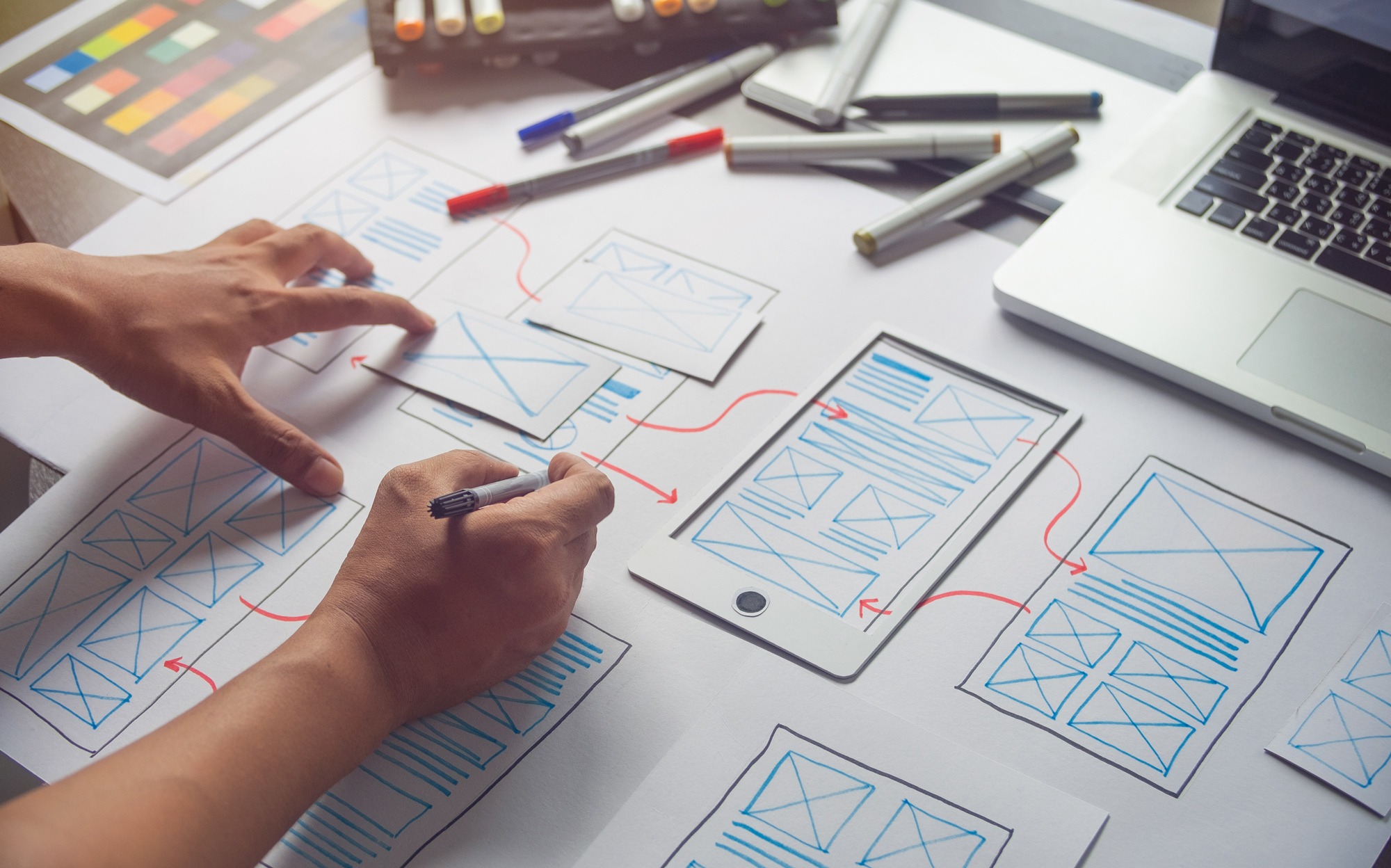
Design platforms, accessible technology, and now AI have put creative tools directly into the hands of business owners. What once required a designer and a desktop publishing suite can now happen from a laptop, a phone, or a browser tab (usually at 11:43pm after the burnout settles and you’re back on the horse in 5 hours).
For some in the industry, this shift has felt threatening. For others, it’s been incredibly exciting. Because when you really look at it, these tools weren’t created to replace agencies.
➜ The reason these platforms exist.
They were created to empower the people who needed creativity the most—small businesses, marketing teams inside larger organisations and basically anyone responsible for making a brand show up in the world.
SMBs don’t always have marketing departments. They have founders. Operators. People wearing five hats and wondering why their calendar looks like a game of Tetris.
The 9–5? That’s more of a fond memory. They need to move quickly.
They need affordability and increasingly, they want autonomy over how their brand shows up in the world. Modern design platforms were built for exactly this reason. They give business owners the ability to create, experiment, and communicate visually without needing years of technical training (something that many designers once guarded like a secret family recipe). In many ways, they’ve done something remarkable. They’ve given small businesses a taste of the creative process.
And once people experience that – once they see what’s possible for their brand – their expectations change. Not downwards. Upwards.

➜ Then, AI enters the chat.
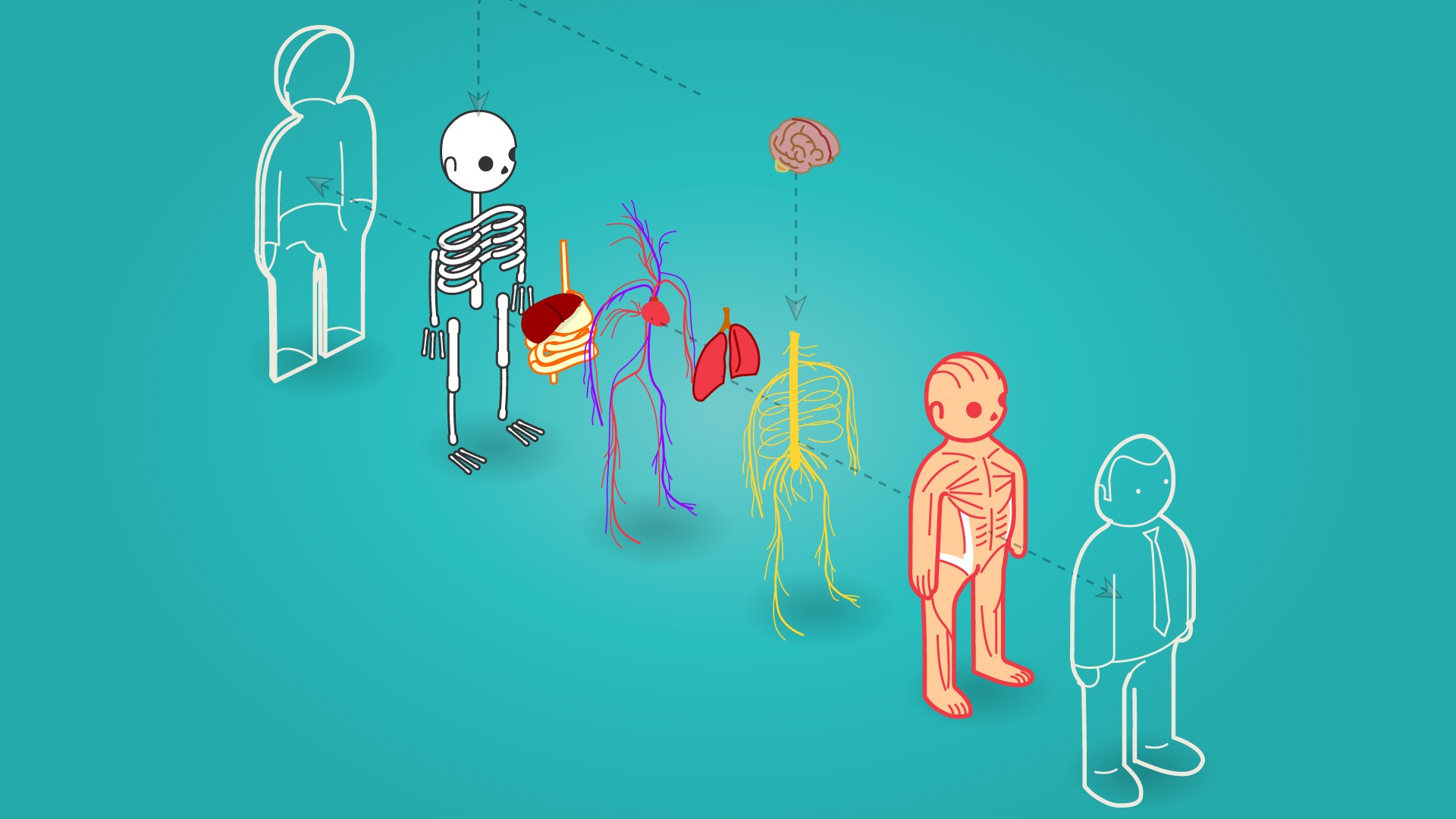
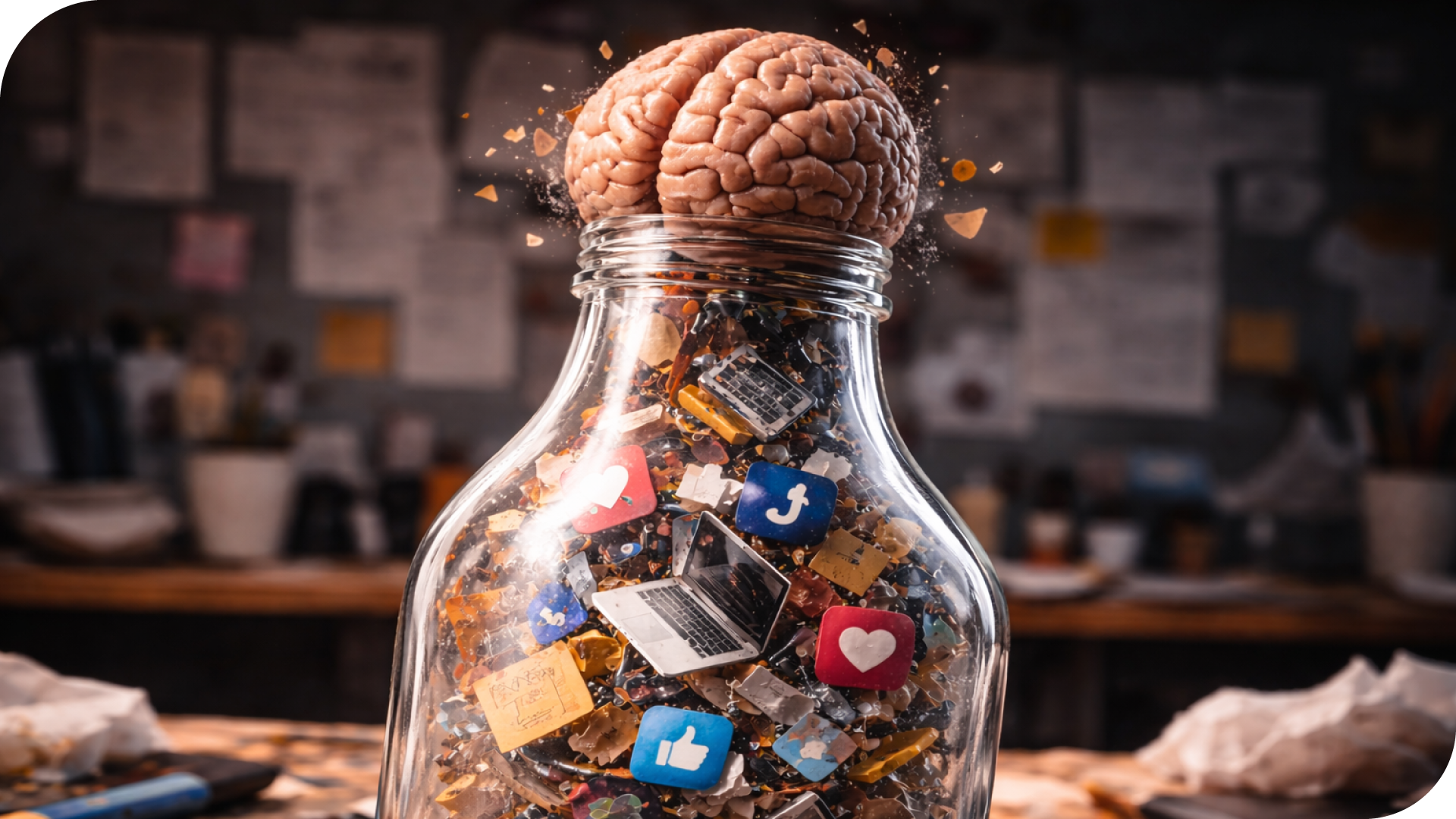
This reminds me of an old stock photo. You know the one. The guy in a suit at a desk with six arms, each doing a different task. Emails, phone calls, spreadsheets – productivity at psychopathic levels. Well now, AI has entered the room and quietly handed that guy an extra brain. It’s not just a shifting landscape anymore– it’s a rapidly transforming one. Ideas can be generated faster. Visuals can be produced in seconds. Entire brand systems can begin to take shape with the help of increasingly human-like intelligent tools.
Now everyone can create endless content. Perfectly generated. But, strategically? It’s questionable. On the other hand you suddenly have a second, slightly smarter brain sitting next to you while you work. But for creative professionals, it’s also a reminder of something very important:
The value we provide was never the software. It’s the thinking behind the work.
AI can help you produce content, but it can’t yet tell you what your brand should stand for.
It can’t define your purpose, your voice, or the slightly irrational passion that made you start a business in the first place. (Only you can do that).
The best agencies increasingly sit further up the creative funnel — helping organisations define the insight, positioning and creative direction that every campaign, asset and piece of content should flow from.
Because when content becomes easy to produce, the real bottleneck becomes something else. Clarity.
Tools can generate outputs, but they can’t tell you what’s worth making in the first place.
Right now the industry is obsessed with adding more tools to the workflow. More GPT’s. More AI assistants. More annoying and confusing automation software (I’m looking at you MailChimp!).
But the real opportunity for agencies isn’t to keep adding things. It’s to zoom-out and shape the thinking around them.

➜ So, is empowerment the future of creative work?
I think you already know the answer but the most exciting part of this shift is that it’s changing the dynamic between agencies and clients. It’s no longer just about delivering creative work. It’s about helping businesses understand what their brand could become and better yet, giving them the tools to keep building it long after that initial project is finished.
Because like the heading I was going to use for this article says;
“The future of branding isn’t control. It’s empowerment with creative direction.” – Lisa Misu
And when that happens, something remarkable occurs. Small Businesses stop feeling like they’re trying to keep up with the big players.
* wipes away a tear *
They simply start creating like them.