Most corporate event videos suffer from the same identity crisis. They’re not quite a marketing tool, not quite a documentary, and definitely not quite a special memory like a wedding.
They sit in an awkward middle ground where everyone involved has worked super hard to create something polished, only for it to disappear into the social media equivalent of a junk cupboard three weeks later. Which is a shame, because events are full of stories.
Unfortunately, stories and event footage aren’t necessarily the same thing.
A few years ago, we sat through a corporate event video that was objectively excellent. Beautiful cinematography. Smooth editing. Music that swelled exactly when it was supposed to.
There were drone shots, slow-mo shots and probably drone shots in slow-mo.
If the brief had been to create a highlight reel for the IAVNCW (International Association of Very Nice Camera Work), it would have taken home the gold.
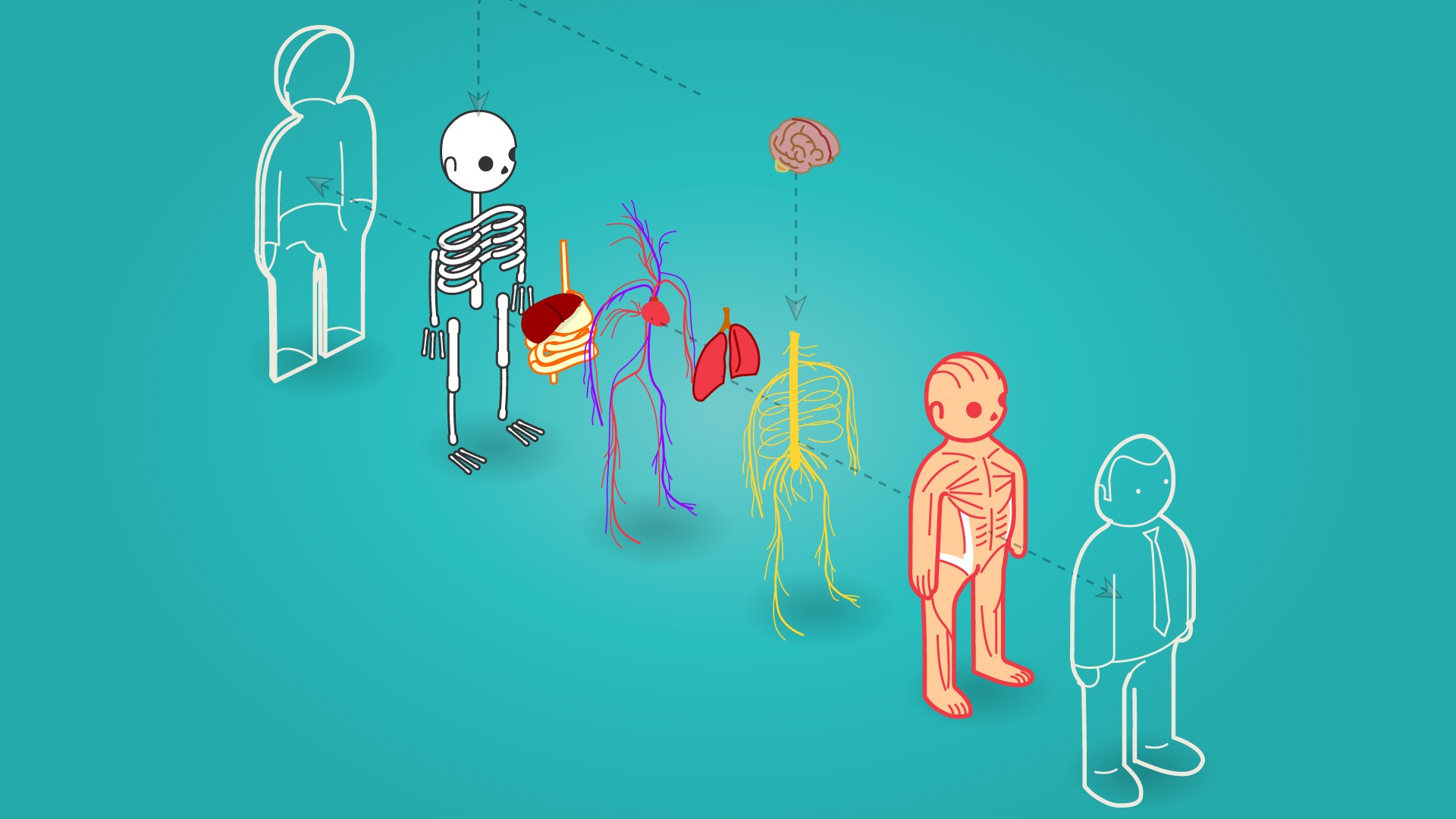
Video above: For Everyone has a Story, the people are the story so every creative decision circled back to why everyone is there – to share through stories of adversity.
The problem was that twenty minutes later, nobody could remember a thing about it. It had captured everything except the reason the event existed.
Once you start noticing this, it’s surprisingly difficult to stop. You see it everywhere. Conference videos that spend more time admiring the venue than the people inside it. Awards nights reduced to a montage of champagne glasses and applause. Networking events that somehow manage to document every canapé while revealing absolutely nothing about the conversations taking place around them.
The footage becomes a record of what happened, but never quite explains why anyone should care. That’s usually because the wrong question gets asked at the beginning.
Most event video briefs arrive in some variation of, “We’d like someone to come and capture the day.” Which sounds sensible enough until you think about it.
Because “Days” aren’t necessarily stories and thats what film is designed to capture.
Nobody goes home from a great event talking about the registration desk or the room layout. They talk about that cool person they met. The idea they heard. The conversation that shifted their thinking. The moment something clicked for them. The things people remember are almost always human, yet for some reason, corporate event videos have developed a strange obsession with infrastructure.
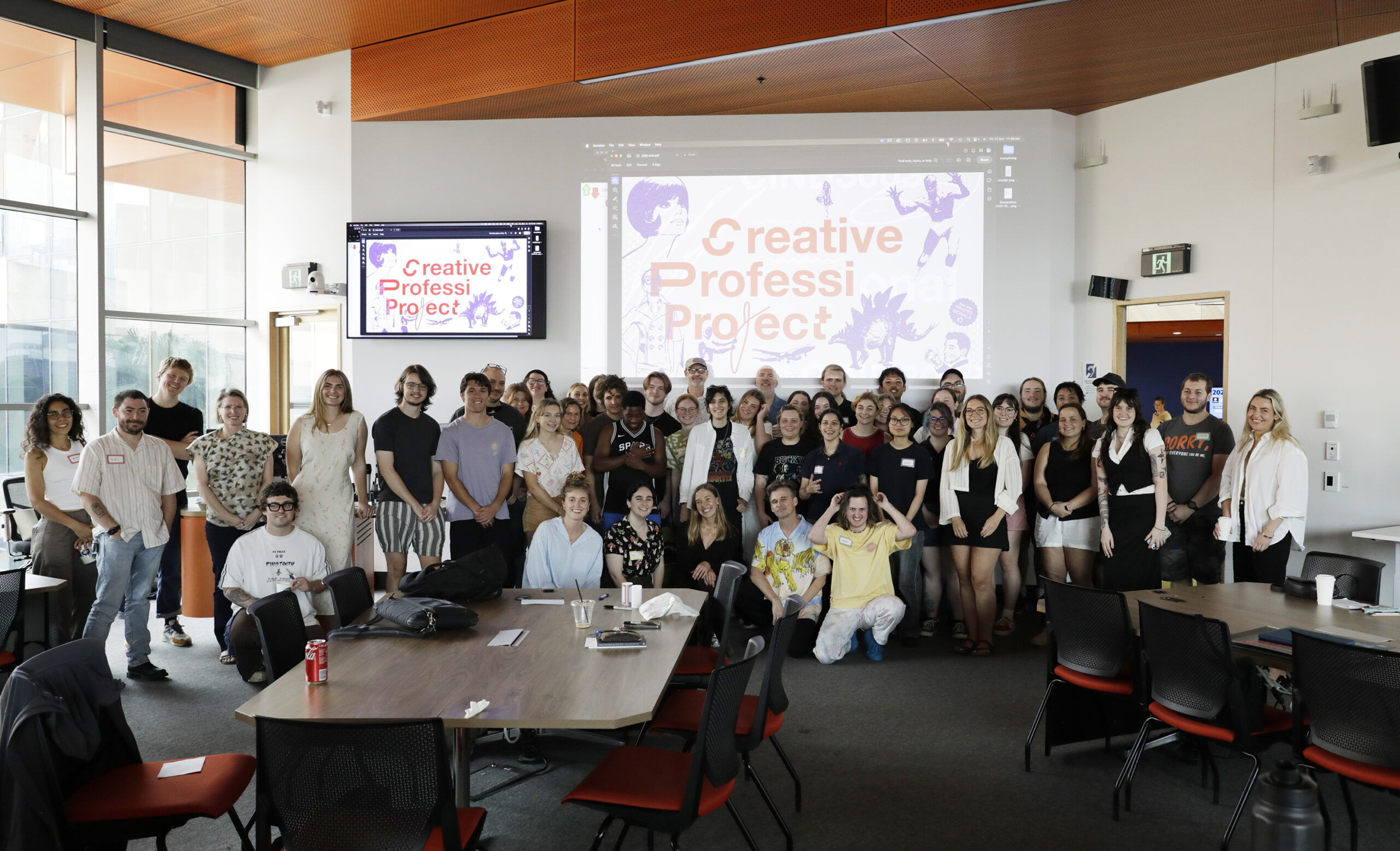
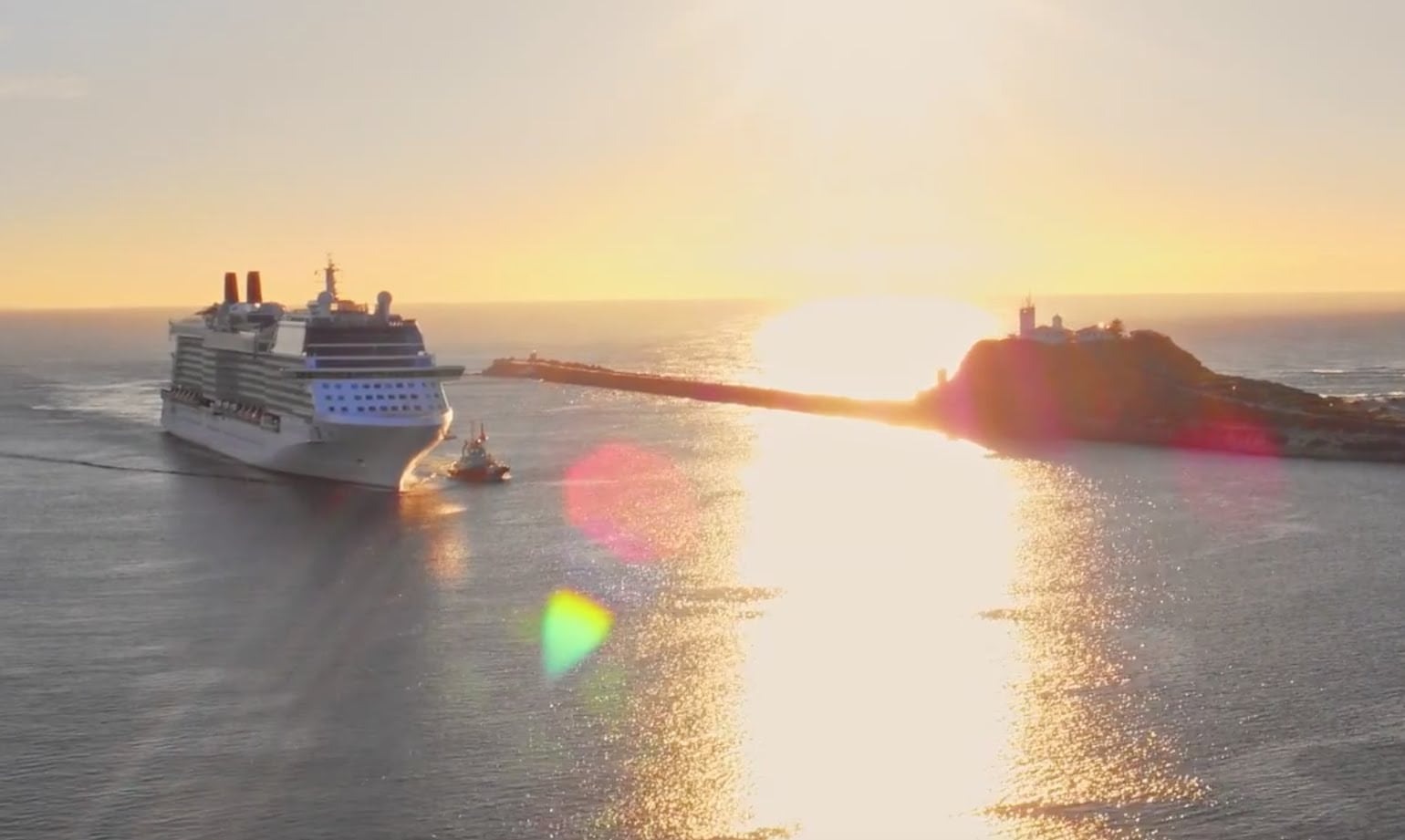
Video above: Our OOTS rebrand launch event was an opportunity to introduce what it means to “Be Extraordinary” to our clients. It was about everything we’ve built together and where we’re headed next. That’s what we celebrated. 28 years of helping brands Be Extraordinary and the beginning of an exciting new chapter.
The brief usually sound like:
“Can we capture the room, some branded signage, catering (maybe whilst the canapés are out?) Then B-roll the room from another angle, oh and the signage from another angle. And most importantly, make sure we can make it slow-mo at the edit…”
To be clear, this doesn’t mean branded details should be banished from the edit like they’ve personally offended the craft of filmmaking. The lanyards, pull-up banners, name tags, venue details, catering and signage all have a job to do. They give the video context. They show where we are, who it’s for and what world we’ve walked into.
A quick shot of the canapé table is not a cinematic crime. Sometimes the canapé table is doing important supporting-character work, the issue is when those details become the whole film.
Branding should help orient the viewer, not carry the emotional weight of the story on its tiny little laminated lanyard. A pull-up banner can tell us who hosted the event, but it can’t tell us why the room mattered. A slow-motion moment of someone downing an arancini can suggest the event was nicely catered.
But there seems to be an unspoken belief that if we film enough brand bits, meaning will eventually emerge. Thing is, it doesn’t, and it probably never will.
What does emerge, though, are the moments nobody planned for. The speaker quietly rehearsing a line backstage. The organiser running on caffeine and pure determination after six months of preparation. The guest who suddenly lights up because they’ve found someone who understands the exact challenge they’re facing.
Those moments actually tell us something. They reveal what the event was trying to achieve in the first place. That’s where the story lives.
The same thing applies to interviews, which are often treated as an item on a checklist rather than an opportunity to uncover something interesting. A camera appears. Somebody is intercepted halfway through a conversation. They are asked what they’ve enjoyed most about the event. The answer is usually some version of, “It’s been really great.” And honestly, fair enough because that’s all that people can prepare for with less than two seconds notice.
Most people need at least thirty seconds before being expected to deliver insight. Give them context, however, and something changes — just let them know why you’re talking to them. Tell them what the event is trying to achieve and then give them a chance to maybe, I dunno, gather a single thought before a camera appears in front of their face?
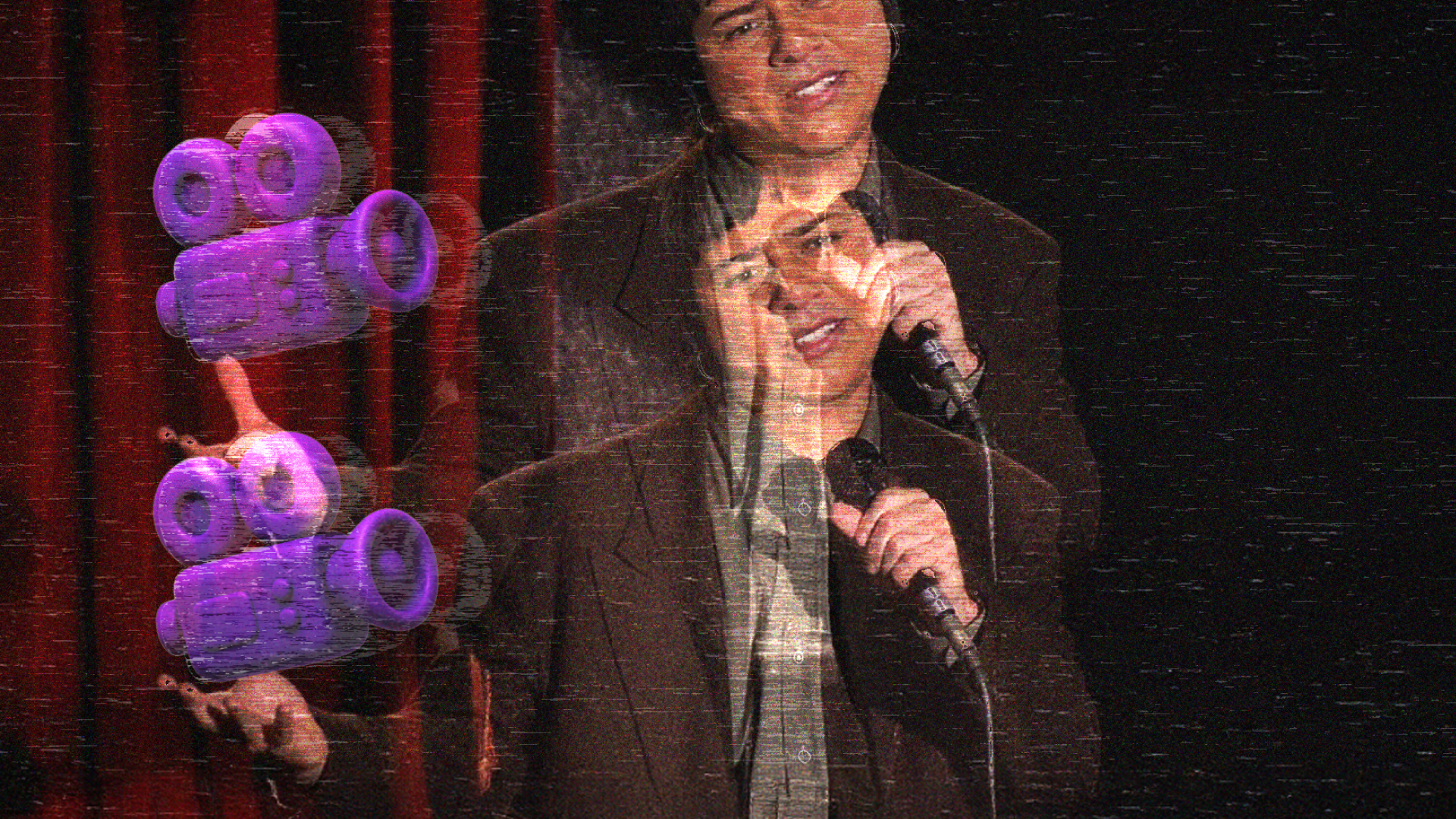
Video above: The Cerebral Palsy Alliance morning tea was created to connect families, supporters, workers and researchers, and say thank you to the donors who fund vital disability therapies.
Suddenly you’re no longer collecting ‘testimonials’ and ‘quotes’, you’re collecting perspectives and the difference is huge. Because the best event videos aren’t really about events at all, they’re about people. The fact that it’s an event simply provides the backdrop. When somebody watches a genuinely good event film, they shouldn’t walk away thinking about camera movements or transition effects or whether the venue looked impressive from a birds-eye view. They should come away understanding why the people in that room gave up an evening of their lives to be there.
That’s the real brief. Not “capture the day.” It’s capture the meaning.
The footage, the interviews and the editing decisions all become easier once that question has been answered. Everyone suddenly knows what they’re looking for because they’re no longer documenting activity. They’re uncovering purpose and purpose has a way of remaining memorable long after the lanyards have been packed away and the branded pull-up banners have returned to whatever cupboard specific event-branded pull-up banners spend the rest of their lives in.
If you’ve got an event coming up and want to apply some of this thinking and process, let’s chat.